Can the Coast Guard Board Your Vessel Without Permission? Know Your Rights
Can the Coast Guard Board Your Vessel Without Permission? Know Your Rights
As a vessel owner or operator, one of the most important legal questions you may face is this: Can the U.S. Coast Guard board your vessel without your permission? Whether you operate in Michigan’s inland waters, the Great Lakes, or coastal routes, the answer has serious implications for your rights, your operations, and your legal responsibilities.
At Biggs & Gunst P.C., our maritime attorneys understand Coast Guard procedures and help clients navigate vessel inspections and boardings with confidence and clarity.
Does the Coast Guard Have the Right to Board Your Vessel?
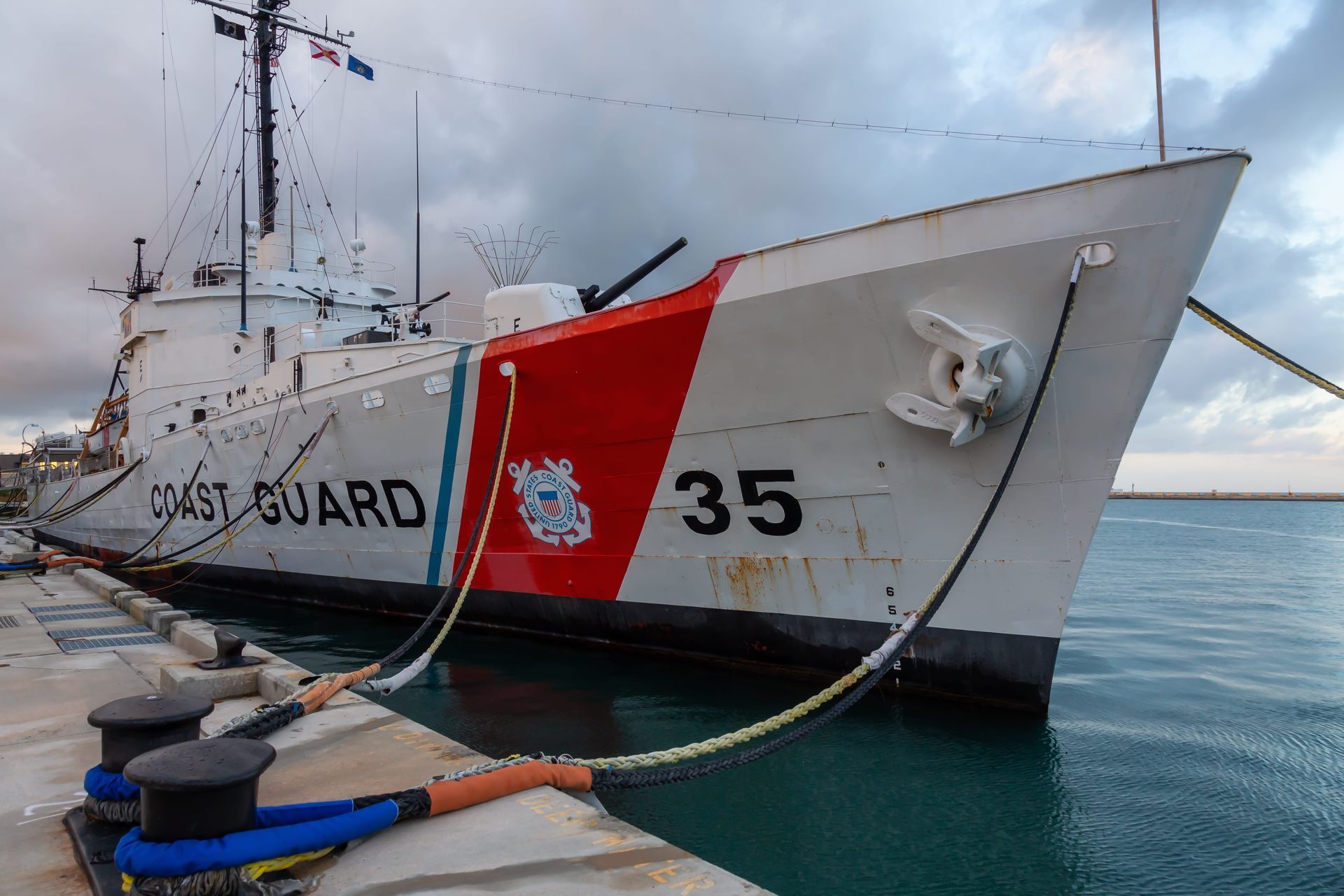
Yes. Under U.S. law, the Coast Guard has broad authority to board and inspect vessels subject to U.S. jurisdiction. This authority applies whether the vessel is commercial, recreational, foreign-flagged, or U.S.-flagged. In many situations, Coast Guard personnel may approach your vessel and initiate a boarding without your explicit consent.
However, having rights during the process is just as important as understanding the Coast Guard’s authority.
When Can the Coast Guard Board Your Boat Without Permission?
The Coast Guard may board your vessel without permission in several circumstances, including:
1. Routine Safety and Compliance Inspections
The Coast Guard conducts inspections to verify compliance with safety, security, and environmental regulations. These routine checks do not require a warrant, and Coast Guard personnel may board to inspect documentation, safety equipment, and vessel conditions.
2. Reasonable Suspicion of a Violation
If the Coast Guard has reasonable grounds to suspect a violation of maritime law or safety standards, they may board without seeking permission.
3. Vessel in U.S. Waters or Under U.S. Jurisdiction
Any vessel within U.S. territorial waters or under U.S. registration is subject to Coast Guard boarding authority.
What Are Your Rights During a Coast Guard Boarding?
Even though the Coast Guard has the authority to board your vessel, you still have rights that protect you and your operations. These include:
Right to Know the Reason for Boarding
You can ask Coast Guard personnel to explain why they are boarding and what they intend to inspect.
Right to Observe the Inspection
You or your representative can remain on the vessel and observe the inspection process.
Right to Documentation
If the Coast Guard issues citations, recommendations, or enforcement actions, you have the right to receive copies of all official paperwork.
If you’re unsure of how to handle a boarding, or if a boarding turns into an enforcement action or potential violation, Biggs & Gunst P.C. can help protect your rights and guide you through every step.
When Should You Contact a Maritime Attorney?
A Coast Guard boarding isn’t always cause for concern. But there are times when the circumstances of the boarding, or actions taken after boarding, raise complex legal and operational issues. Consider contacting a maritime attorney if:
- You receive a warning, citation, or detention order
- There is a dispute about the reason for boarding
- You believe your rights were violated during the boarding
- You face civil penalties or enforcement action
Our Ann Arbor maritime law firm assists vessel owners and operators throughout Michigan with legal guidance related to Coast Guard inspections, boardings, and enforcement matters.
What Happens After a Coast Guard Inspection?
After boarding and inspection, the Coast Guard may:
- Take no further action
- Issue a warning or recommendation
- Impose fines or civil penalties
- Detain the vessel until compliance issues are resolved
Each of these outcomes has legal and financial implications. With Biggs & Gunst P.C. on your side, you’ll have attorneys who understand your rights, explain your options, and represent your interests with clarity and confidence.
Know Your Rights on the Water
The Coast Guard’s authority to board vessels without permission is broad—but your rights as a vessel owner matter. Knowing how to respond, what to expect, and when to seek legal help can make all the difference.
If you have questions about Coast Guard boarding procedures, vessel inspections, or potential legal issues arising from a boarding or inspection, don’t wait to get guidance.
Call Biggs & Gunst P.C. today at (734) 263-2320 for reliable support. Our maritime attorneys are ready to assist you with every phase of Coast Guard interactions.