What to Expect During a U.S. Coast Guard Vessel Inspection
What to Expect During a U.S. Coast Guard Vessel Inspection
Operating a vessel on Michigan’s inland lakes or the Great Lakes comes with incredible freedom — but also serious responsibilities. Whether you run a charter business, manage a commercial vessel, or simply enjoy recreational boating, staying compliant with U.S. Coast Guard inspection requirements is essential for safety and legal compliance.
At Biggs & Gunst P.C., our attorneys are mariners themselves, with firsthand knowledge of the Coast Guard inspection process. We help vessel owners and operators throughout Michigan prepare for, respond to, and resolve issues that arise during these inspections.
Why the Coast Guard Conducts Vessel Inspections
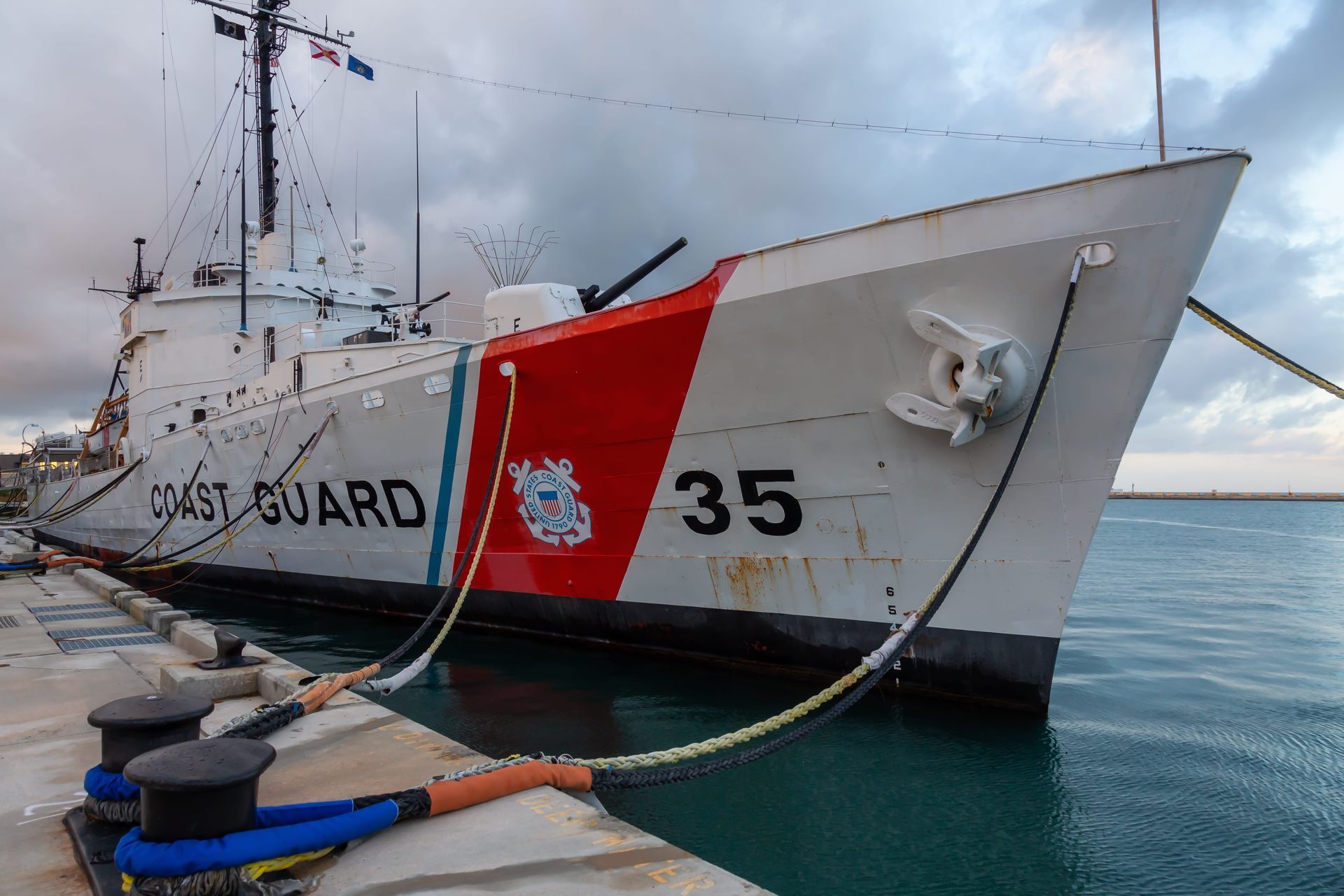
The U.S. Coast Guard (USCG) conducts vessel inspections to ensure safety, compliance, and environmental protection across all navigable waters — including the Great Lakes and connected inland rivers. These inspections are designed to verify that your vessel meets federal regulations for construction, equipment, documentation, and operation.
While inspections often focus on commercial vessels, any boat on U.S. waters — including recreational and charter vessels — may be subject to boarding and inspection.
The Coast Guard’s Authority to Board and Inspect
Under federal law, the Coast Guard has the authority to board and inspect any vessel operating in U.S. waters without probable cause or prior notice. Officers may request permission to board, but they are legally authorized to do so with or without your consent.
During an inspection, officers typically review documentation, safety equipment, and operational readiness to ensure compliance with maritime safety standards. Remaining calm, courteous, and cooperative helps ensure a smooth process.
Types of Coast Guard Vessel Inspections
There are several kinds of inspections, depending on your vessel type and purpose of operation:
- Routine Safety Checks:
Random or scheduled boardings that assess compliance with safety equipment requirements, navigation lights, fire extinguishers, and life-saving gear. - Commercial Vessel Inspections:
Required for charter boats, passenger vessels, and commercial operations. These inspections cover documentation, crew licensing, hull integrity, and machinery condition. - Environmental and Pollution Inspections:
Evaluate waste management, fuel containment, and pollution prevention measures — particularly for larger vessels. - Incident or Complaint-Based Inspections:
Conducted after accidents, complaints, or suspected violations of maritime regulations.
Understanding the purpose of your inspection can help you prepare the right documentation and respond confidently.
What the Coast Guard Typically Reviews
During an inspection or boarding, the Coast Guard will examine a variety of safety and compliance factors, including:
- Vessel documentation and registration
- Crew licenses and credentials (if applicable)
- Safety gear – life jackets, flares, horns, and throwable flotation devices
- Fire extinguishers and firefighting systems
- Navigation lights and signaling equipment
- Emergency procedures and drills
- Pollution prevention equipment (bilge, fuel, waste systems)
- Logbooks and maintenance records
- Hull condition and structural integrity
Vessel operators should ensure all equipment is operational, accessible, and properly maintained before each voyage.
How to Prepare for a Coast Guard Vessel Inspection
Preparation is key to passing a vessel inspection without delay or penalty. Here are a few practical steps:
- Keep all documentation current and onboard.
This includes registration, insurance, and Coast Guard documentation for commercial or charter vessels. - Perform regular safety checks.
Verify that all required safety equipment is present, functional, and within expiration dates. - Train your crew or passengers.
Everyone aboard should understand emergency procedures and the location of safety gear. - Maintain clear records.
Log inspections, repairs, and maintenance to demonstrate compliance and diligence. - Stay calm and cooperative during the inspection.
Being courteous and transparent helps ensure the process goes smoothly.
Common Issues Found During Inspections
Even experienced boaters can overlook key compliance areas. The most common issues identified during inspections include:
- Expired or missing fire extinguishers
- Insufficient life jackets or throwable devices
- Nonfunctional navigation lights
- Unsecured fuel lines or electrical hazards
- Lapsed documentation or improper vessel registration
- Poorly maintained pollution prevention systems
Addressing these potential problems before heading out on the water can save time, stress, and fines.
What Happens If You Fail an Inspection?
If deficiencies are found, the Coast Guard may issue a written report, require corrective action, or in serious cases, restrict or terminate the voyage until issues are resolved.
Violations can lead to civil penalties or fines, particularly if the issue involves safety hazards, environmental violations, or unlicensed operations.
If you’ve received a notice of violation or face enforcement action after an inspection, it’s important to seek legal advice. The right representation can help clarify your options and protect your vessel’s operation.
How Biggs & Gunst P.C. Helps Vessel Owners
At Biggs & Gunst P.C., our maritime attorneys are also experienced mariners who understand both the legal and operational sides of Coast Guard compliance.
We assist vessel owners and operators across Ann Arbor and throughout Michigan with:
- Preparing for inspections and compliance audits
- Responding to Coast Guard citations or violations
- Advising on documentation and regulatory issues
- Representing clients in enforcement proceedings
Whether you operate a recreational vessel, a charter fleet, or a commercial boat, our team can guide you through the inspection process and help you stay compliant under federal and maritime law.
Contact Biggs & Gunst P.C. for Maritime Legal Guidance
If you have an upcoming Coast Guard vessel inspection or received a violation notice, Biggs & Gunst P.C. can help you understand your rights, prepare effectively, and resolve compliance issues efficiently.
Call 734-263-2320 or visit www.biggsgunst.com to schedule a confidential consultation today.
Our attorneys proudly serve Michigan’s boating and maritime communities, offering real-world legal guidance for vessel owners, charter operators, and marine professionals.